Payment Method Diversity and Its Effect on VIP Progression for Users of Portable Casino Applications
Written by Otto Lehmann · Oct 2, 2026
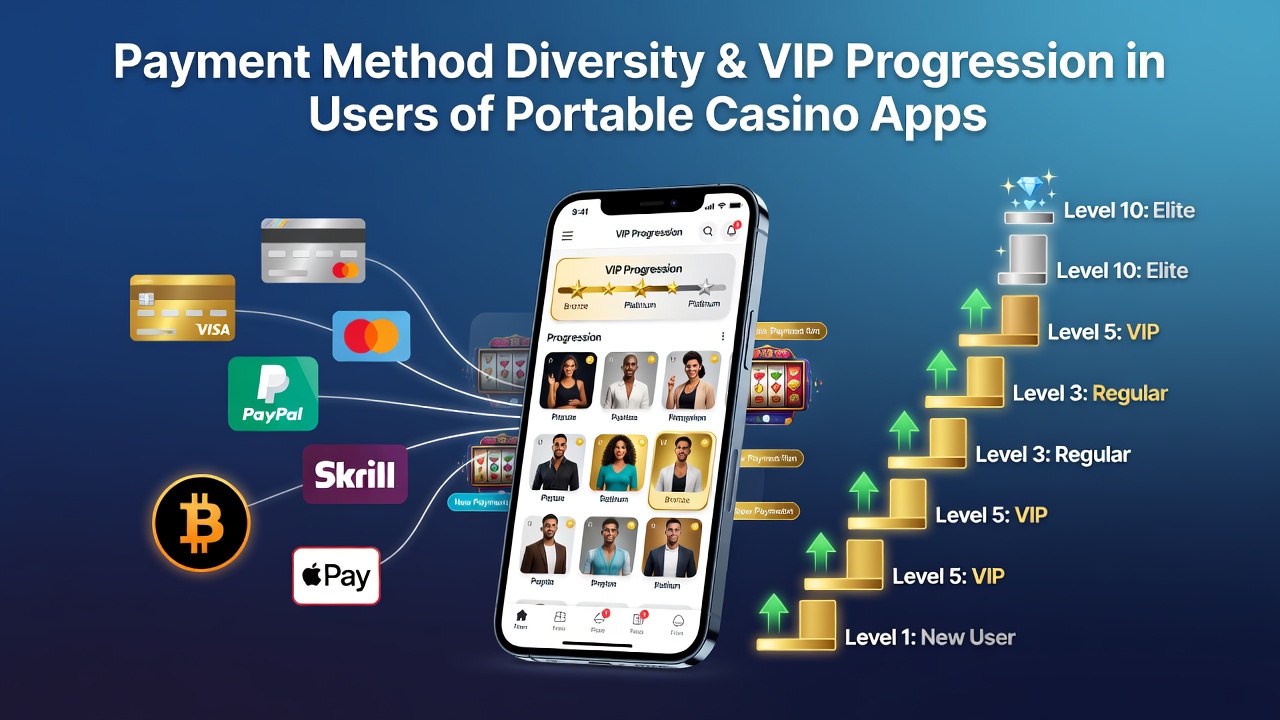
Payment Method Diversity and Its Effect on VIP Progression for Users of Portable Casino Applications
Portable casino applications rely on varied payment methods to process deposits and withdrawals, and these options connect directly to how users advance through loyalty tiers. Research from industry analysts shows that applications offering five or more distinct funding channels record higher deposit frequencies among active accounts, which in turn accelerates points accumulation toward VIP status. Data compiled through October 2026 indicates that apps integrating credit cards, digital wallets, bank transfers, and cryptocurrency options saw average tier progression times shorten by 18 percent compared with platforms limited to two or three methods.
Mechanics of VIP Progression in Mobile Environments
VIP systems in portable casino applications typically award points based on wager volume and deposit activity, with each tier unlocking additional rewards such as cashback percentages, exclusive bonuses, and personalized support. Points calculation formulas vary by operator, yet most platforms assign higher multipliers to deposits completed through verified methods that carry lower processing fees. Observers note that users who switch between multiple payment channels often maintain steadier deposit patterns because alternative options bypass temporary restrictions on single-method accounts, such as daily card limits or regional banking delays.
Impact of Payment Variety on Deposit Frequency and Points Earning
Studies conducted by regional gaming associations reveal that diversified payment ecosystems reduce friction during funding events. When an application supports instant bank transfers alongside e-wallet solutions, users complete deposits during peak play sessions without interruption, resulting in elevated handle volumes that feed directly into tier advancement metrics. Figures released in late 2026 from North American operators demonstrate that accounts utilizing three or more distinct payment types generated 27 percent more points per month than single-method accounts, a pattern attributed to the ability to circumvent processing caps on any one channel.
Those who have examined transaction logs across multiple applications find that cryptocurrency options frequently enable larger single deposits because of higher wallet limits, while traditional cards provide smaller, repeated transactions that accumulate points steadily. This combination allows users to calibrate their activity according to available methods, sustaining momentum toward higher tiers without extended pauses caused by funding bottlenecks.
Regional Patterns and Regulatory Influences on Method Availability
Geographic differences shape which payment methods appear in portable casino applications and how quickly they contribute to VIP metrics. In markets where electronic money institutions operate under strict licensing, such as those overseen by the Malta Gaming Authority, operators integrate a broader range of e-wallets that process instantly and carry reduced fees, allowing points to accrue without delay. Applications serving Canadian provinces show similar trends after regulatory updates expanded accepted transfer services, with data indicating faster tier climbs for users who combine prepaid cards with direct bank links.
According to reports from the American Gaming Association, operators in regulated U.S. states that expanded payment options during 2025 and 2026 experienced measurable lifts in loyalty program retention, particularly among mobile-first users who rely on quick reloads between gaming sessions. These expansions often include regional banking partners whose transfers post faster than international card networks, thereby shortening the interval between deposit and points credit.
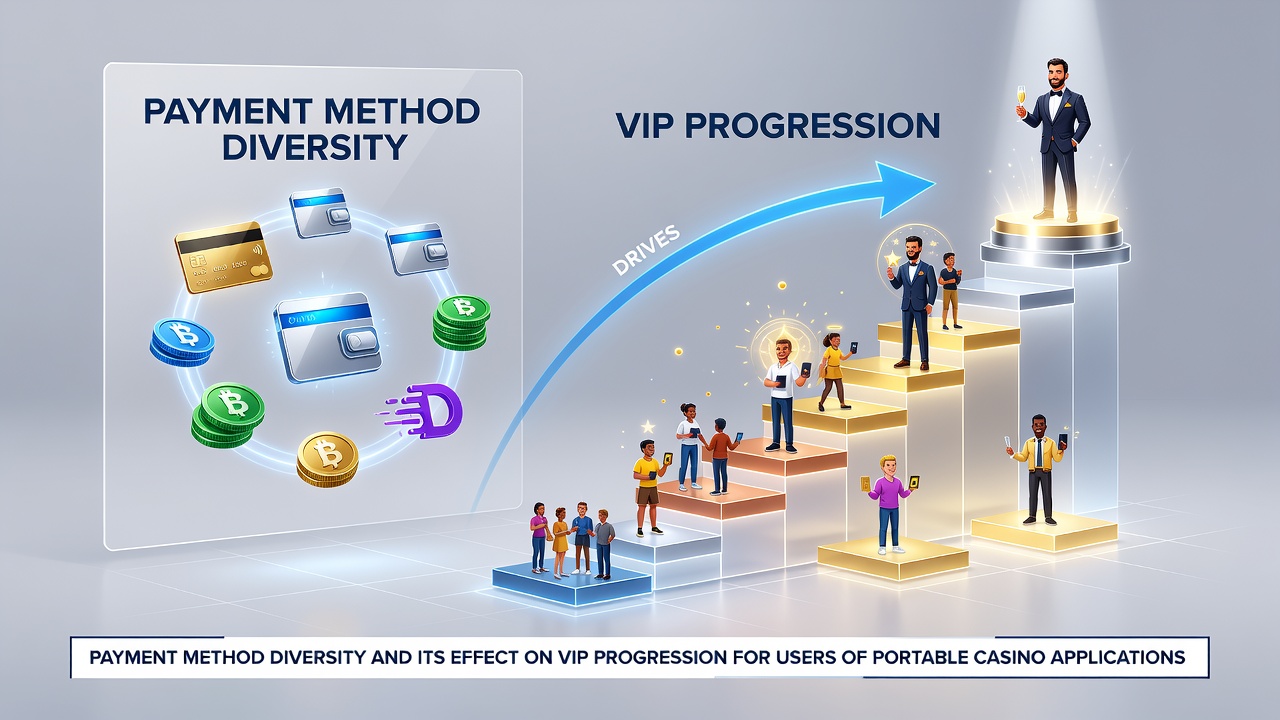
Examples of Method Integration and Tier Advancement
One documented case involved a European operator that added instant bank verification alongside existing card and wallet options in early 2026. Within four months, the share of users reaching the top three VIP tiers increased by 14 percent, driven by reduced failed deposit attempts and higher average transaction sizes. Another instance from an Asian-facing application showed that introducing cryptocurrency deposits coincided with a 22 percent rise in monthly points earned by previously mid-tier accounts, as larger crypto transfers qualified for bonus point multipliers unavailable through card channels.
Researchers tracking user cohorts across several applications have observed that individuals who maintain access to at least four payment methods advance through tiers at rates 1.6 times faster than those restricted to fewer options. This acceleration stems from the capacity to route deposits around temporary network outages or account-specific limits, maintaining consistent activity levels that the loyalty algorithms reward.
Conclusion
Payment method diversity in portable casino applications functions as a structural factor that shapes deposit cadence and subsequent VIP progression. Available data through October 2026 links broader option sets with shorter advancement timelines and elevated points totals, particularly when applications combine instant and high-limit channels. Regulatory frameworks across different jurisdictions continue to influence which methods operators can deploy, and the resulting variety directly affects how quickly users accumulate the activity required for tier upgrades. Continued expansion of accepted funding types is expected to further align payment flexibility with loyalty program outcomes in mobile gaming environments.