Charting Volatility Thresholds That Dictate Bonus Layer Unlocks Across Hybrid Reel and Dealer Formats
Written by Eden Günther · Oct 30, 2026
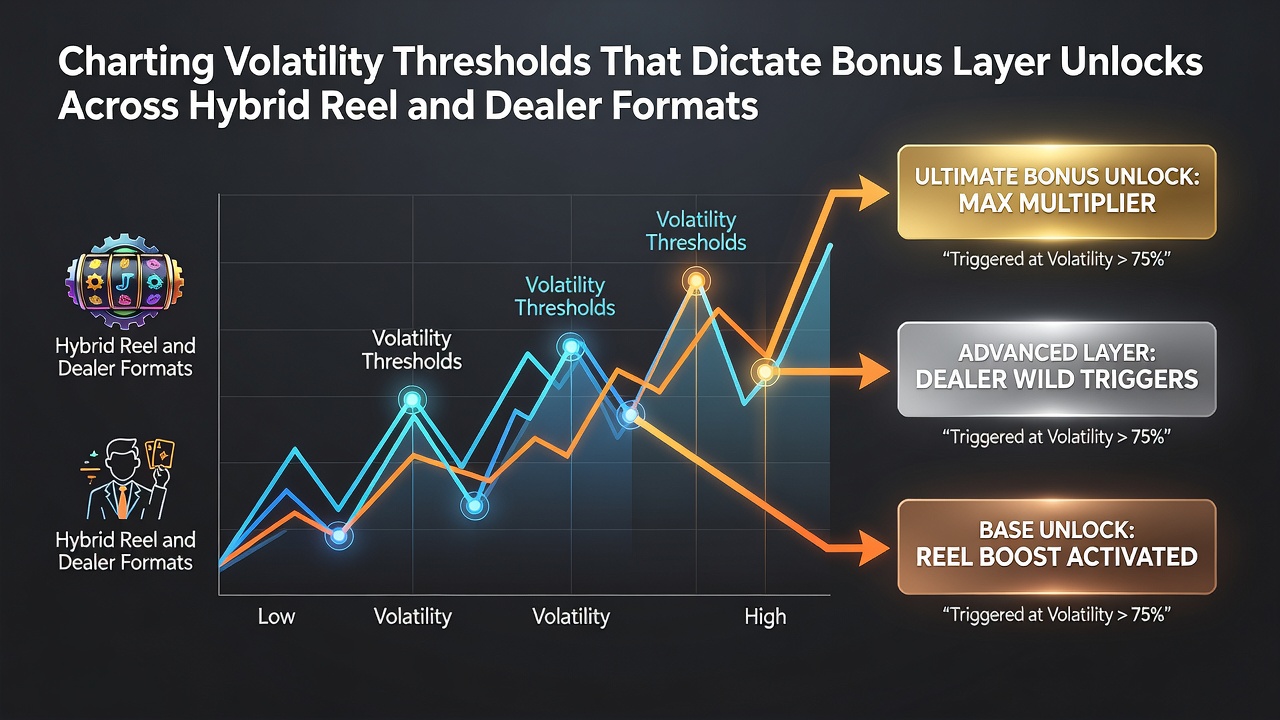
Charting Volatility Thresholds That Dictate Bonus Layer Unlocks Across Hybrid Reel and Dealer Formats
Hybrid reel and dealer formats combine the mechanical spin cycles of video slots with live table interactions, and operators chart volatility thresholds to determine when bonus layers activate for players across both components. Volatility measures the frequency and size of payout events, with low-volatility games producing steady smaller returns while high-volatility setups generate infrequent but larger outcomes, and these metrics directly influence how bonus structures layer on top of base gameplay.
Defining Volatility Metrics in Combined Formats
Research from gaming analytics firms shows that volatility indices for hybrid titles range from 1 to 10, where scores above 7 trigger accelerated bonus progression in reel segments while scores between 4 and 6 maintain steady unlocks in dealer rounds. Data indicates that platforms adjust these thresholds based on aggregated player session lengths, with reels often requiring 50 to 150 spins to reach the first bonus layer and dealer elements unlocking after 20 to 40 resolved hands when volatility parameters align.
Observers note that charting tools integrate standard deviation calculations from reel symbol distributions alongside variance reports from live dealer card sequences, and the combined model produces tiered bonus releases that scale with sustained play rather than isolated wins. Figures from the New Jersey Division of Gaming Enforcement reveal that hybrid game revenue in regulated markets climbed steadily through 2025 and into 2026 as operators refined these threshold models.
Mapping Thresholds Across Reel Mechanics
Reel-based segments in hybrid titles rely on payline and cluster payout volatility to set bonus triggers, and manufacturers program specific hit frequencies such as 1 in 120 spins for medium layers and 1 in 350 spins for top-tier unlocks. Studies conducted by university gaming laboratories demonstrate that adjusting reel volatility by even 0.5 points on the index shifts bonus layer timing by 15 to 25 percent on average, prompting operators to recalibrate settings during quarterly reviews.
Those who analyze platform data find that high-volatility reels pair with progressive bonus accumulators that require consecutive non-winning spins to fill meters, whereas lower-volatility configurations distribute smaller bonus fragments more frequently to maintain engagement across longer sessions. In October 2026 operators reported incremental updates to these reel threshold maps following hardware refreshes at several major properties.
Integrating Dealer Elements and Live Variance
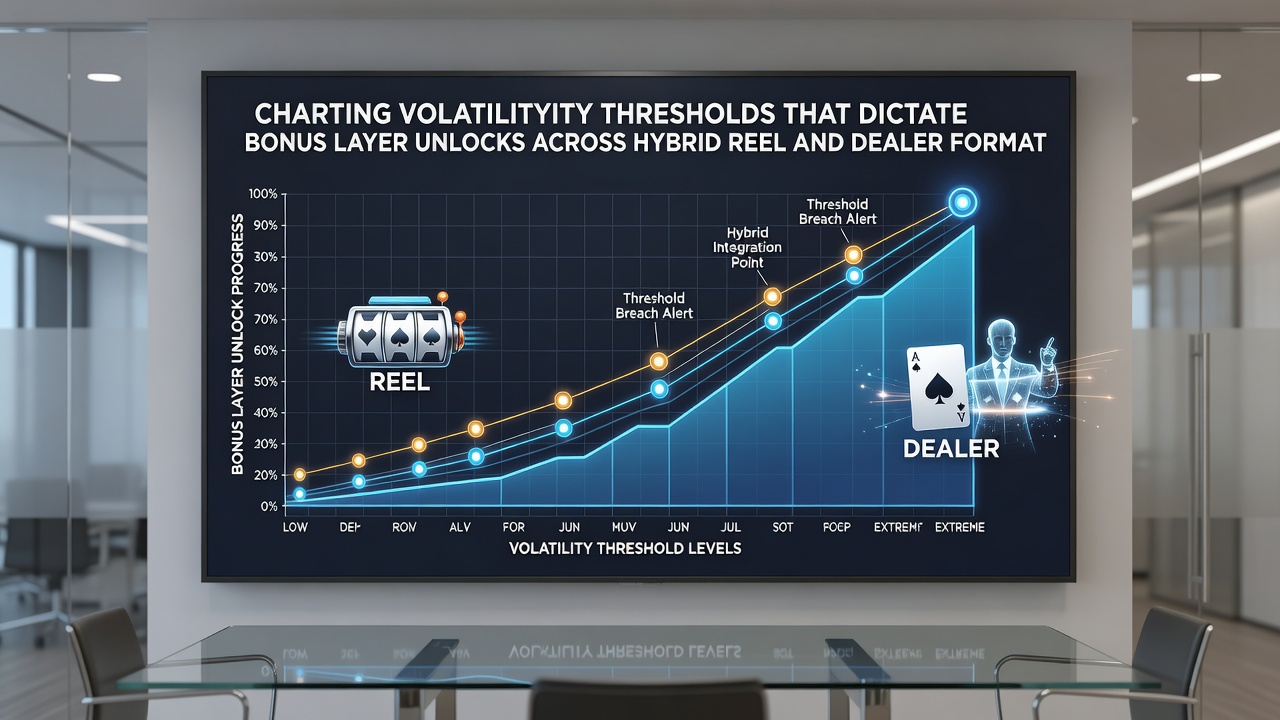
Dealer formats introduce card and dice variance that operators blend with reel data through synchronized tracking systems, and bonus layers unlock when cumulative volatility scores cross predefined boundaries during mixed sessions. Evidence from industry reports indicates that live dealer volatility tends to fluctuate more rapidly due to human pace variations, requiring dynamic threshold adjustments every 10 to 15 minutes of active play to keep bonus progression balanced with the reel side.
Platforms apply weighted algorithms that give dealer outcomes 40 percent influence on overall threshold calculations in many hybrid titles, allowing a streak of high cards or favorable dice rolls to accelerate bonus access even when reel spins remain in a lower volatility phase. Canadian Gaming Association publications document similar integration patterns in provincial markets where hybrid offerings expanded during 2026.
October 2026 Platform Adjustments and Data Trends
During October 2026 multiple operators implemented revised volatility charts that lowered the entry point for secondary bonus layers by 8 to 12 percent across select hybrid titles, responding to session analytics that showed players exiting before reaching higher tiers under previous settings. Regulatory filings from multiple jurisdictions recorded these changes alongside updated responsible gaming parameters that cap bonus frequency in high-volatility configurations.
Analysts tracking cross-format performance observed that hybrid games with calibrated thresholds maintained longer average play durations compared with standalone reel or dealer products, and the data pointed to improved retention metrics when reel and dealer volatility remained within 1.5 points of each other on the shared index scale.
Conclusion
Operators continue to refine volatility threshold systems that govern bonus layer unlocks in hybrid reel and dealer formats, relying on combined statistical models drawn from both mechanical and live components. Ongoing data collection from regulated markets supports incremental adjustments that align player session patterns with bonus delivery mechanics across these evolving game types.